Investor strategic review · September 2026
The year we rebuilt the company.
What changed, why we changed it, and what happens next.


Investor strategic review · September 2026
What changed, why we changed it, and what happens next.
The last twelve months
January–July 2026 · Actual performance
Growth came from yield, not from hardware.
Total revenue €228.7k, +18% year on year, including the first €16k of hardware sales under the new financing structure. The rebuild ran alongside the business, not instead of it.
Why we rebuilt
Every bike was our own product: components produced in China, assembly in Portugal, and Bicelo coordinating supply chain, quality, inventory and logistics. The proposition also sat too close to plain bike rental, and the rider platform belonged to a third party.
How do we go from around a hundred hotels to several hundred without capital, operating complexity and technology cost growing at the same rate?
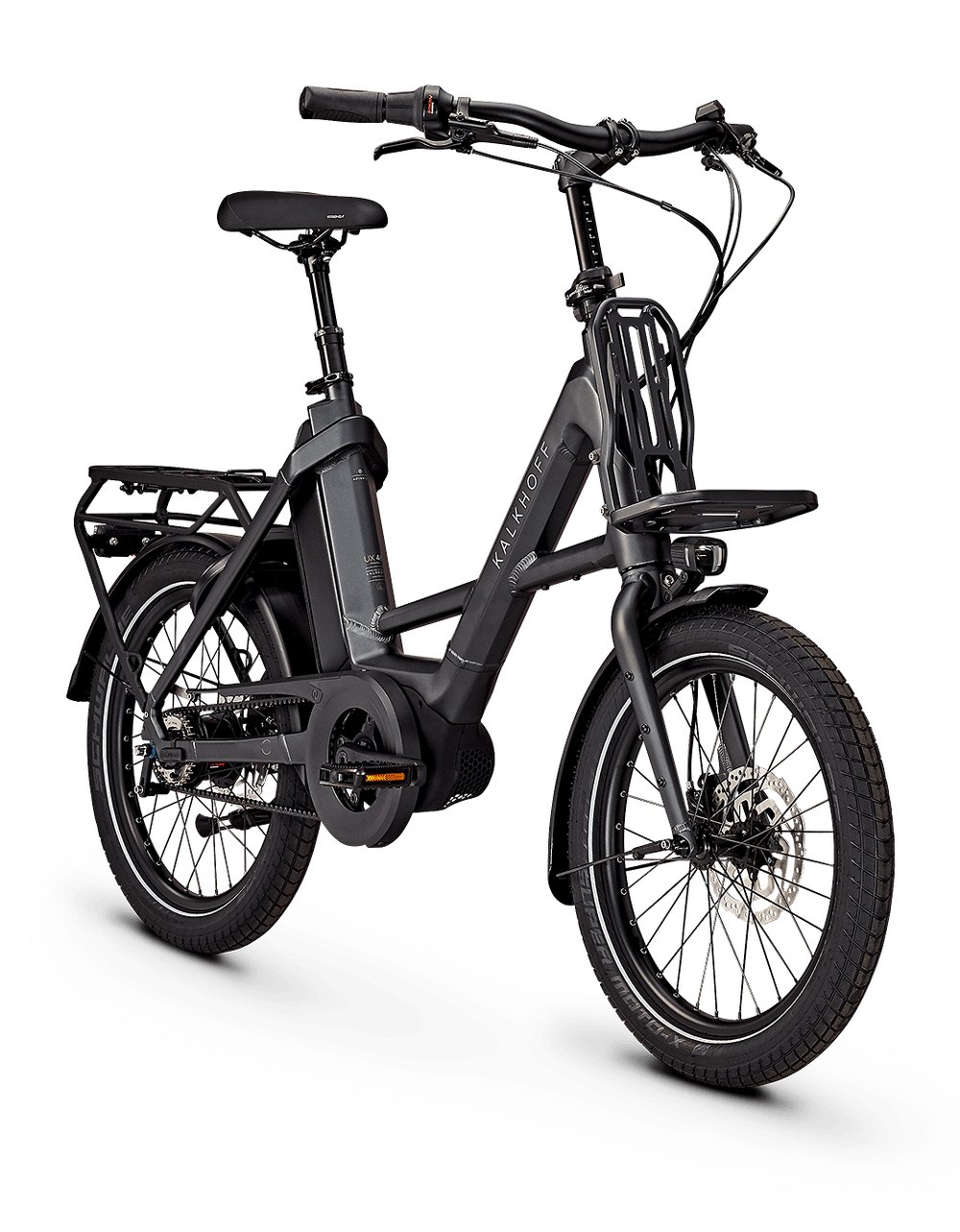
What we now sell
How a fleet is now funded — and how it is now built
of Bicelo capital in every proprietary bike.
contributed to Bicelo when a fleet goes in.
From funding and effectively producing our own bikes, to earning on the deployment of a finished premium product.
Bicelo keeps the hotel relationship, the guest experience, rentals, operations, maintenance and the residual value. Grenke is the financing partner only.
Core unit economics
Contribution the day the fleet is installed.
Net to Bicelo after the hotel share and operating cost.
Residual value when the fleet is replaced.
The deployment contribution is the structure operating today. The rental and replacement figures are modelled at mature utilisation, not results.
This autumn we will evaluate whether Bicelo should own more of the software and data layer — for product control, data ownership and lower technology cost at scale. A decision gate, not a commitment to build.
How the network grows
Every existing Bicelo hotel starts with an established relationship and an operating history.
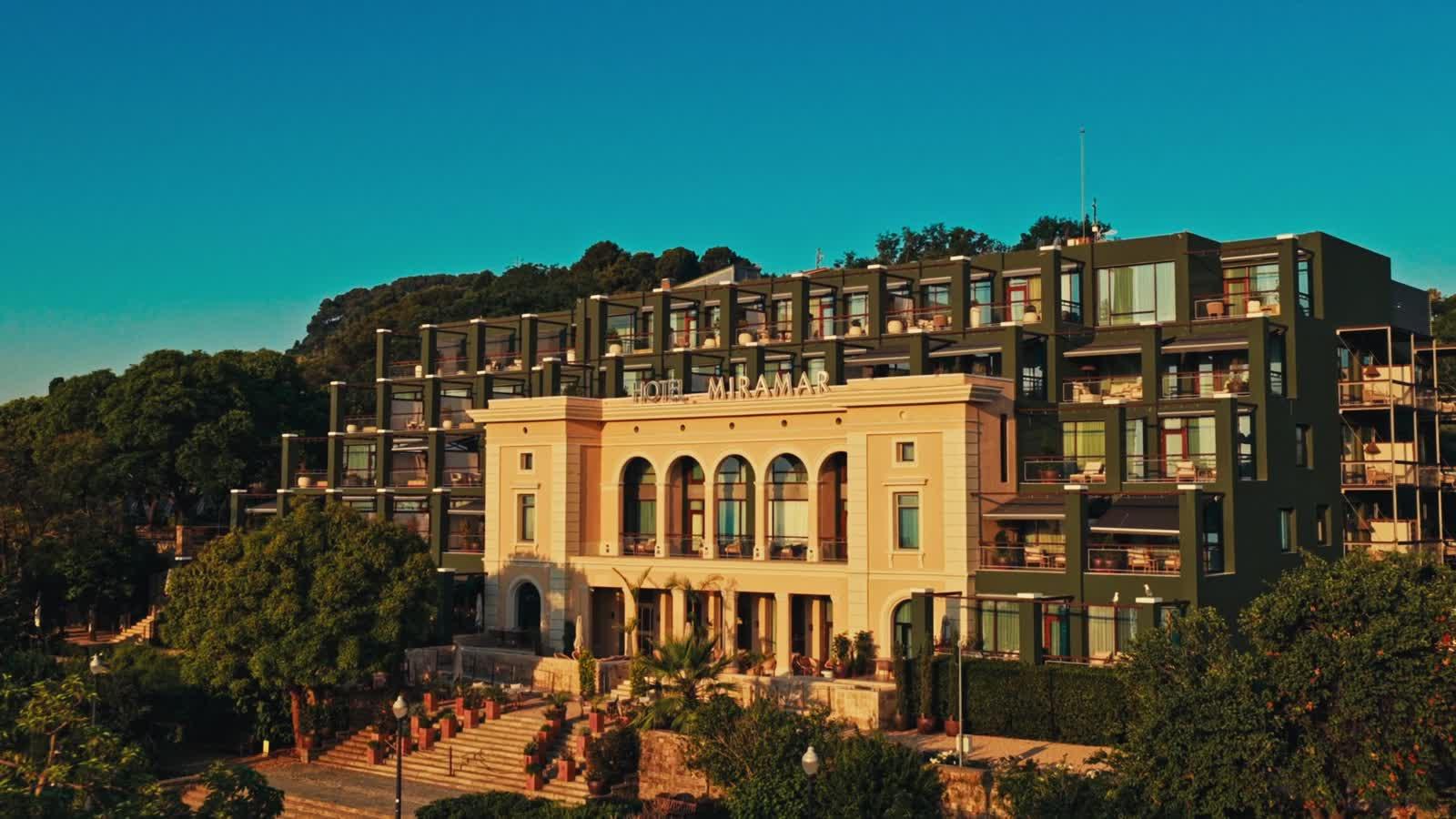
Market density
More bikes on the same service route means lower cost per bike and better service quality. Barcelona is where we prove it first — and we continue to pursue strong opportunities in the Canaries, southern Spain and other premium clusters.
Build density. Stay commercially opportunistic.
Where this architecture leads
Once the hotel network and the installed fleet exist, the replacement cycle can create value on bikes that are already in place — without continually adding hotels.
Strategic optionality · not in the plan
None of this is required for the core business model to work, and none of it is included in the core financial plan.
The next twelve months
Own the relationship. Finance the hardware. Monetise the lifecycle.
Future capital can increasingly go into scaling the network rather than financing the fleet.